The journal
Myrrh: Traditional Uses and What Research Says
By Mohamed, Myst & Myrrh · Updated 2026-10-04
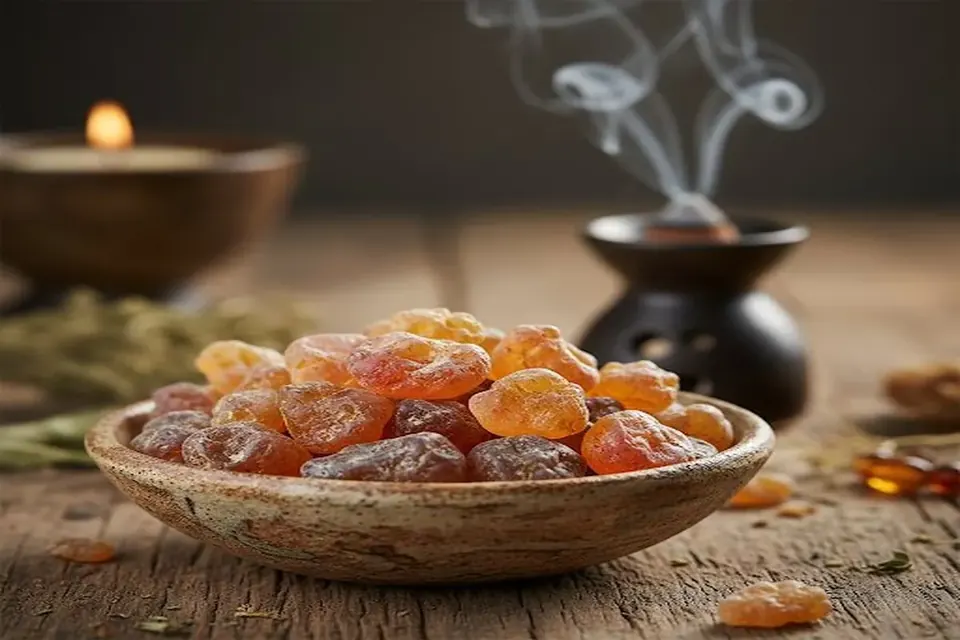
Myrrh is one of the oldest aromatic substances known. Ancient Egyptian records mention it, it was traded alongside gold, and it's still burned in homes across the Horn of Africa and the Middle East today.
Traditional uses
For centuries myrrh has been burned to scent the home and create a calm atmosphere for prayer, rest and reflection. In traditional medicine systems it was also used in preparations for the mouth and skin.
What researchers are studying
Laboratory studies have looked at compounds in myrrh called terpenoids for possible anti-inflammatory, antioxidant and antibacterial properties. Some studies on aromatic resins have also explored effects on mood and relaxation. This research is early, mostly done in labs rather than on people, and doesn't prove that burning myrrh treats any condition.
Why people love burning it
Most of our customers simply enjoy the scent: warm, deep and grounding. Many burn it to wind down in the evening, during prayer, or to freshen the house.
Using it safely
Our resin is sold for aromatic use only — please don't eat it or use it as a medicine. Burn it in a ventilated room, keep it away from children and pets, and speak to a doctor if you have asthma or other breathing conditions.
Ready to try it? See our pure Somali myrrh or our step-by-step burning guide.
This article is for general information only and isn't medical advice.
Pure Somali resin, free UK delivery, 30-day returns.
Shop bundles